This week, as International Women’s Day filled my feed, I find myself sitting with mixed emotions. Some posts celebrated progress, while others were painful reminders of the inequalities women continue to carry every day. Similarly, I feel pride, joy, and deep gratitude for the women in my life... and for being a woman and a mother. But I also felt the weight of everything that still needs to change. Even as a woman with so much privilege in my life (access to education, childcare, work and financial inclusion, etc.) I sit back and reflect that I still see this as "privilege", not as the norm.
And yet, when I think about the women I work with across Botswana, one feeling rises above the rest: pride. Because every day, in villages across this country, change is quietly being led by mothers.
At Learn To Play - Ithute Go Tshameka , women aren’t at the centre of our model by coincidence. They’re there by design.
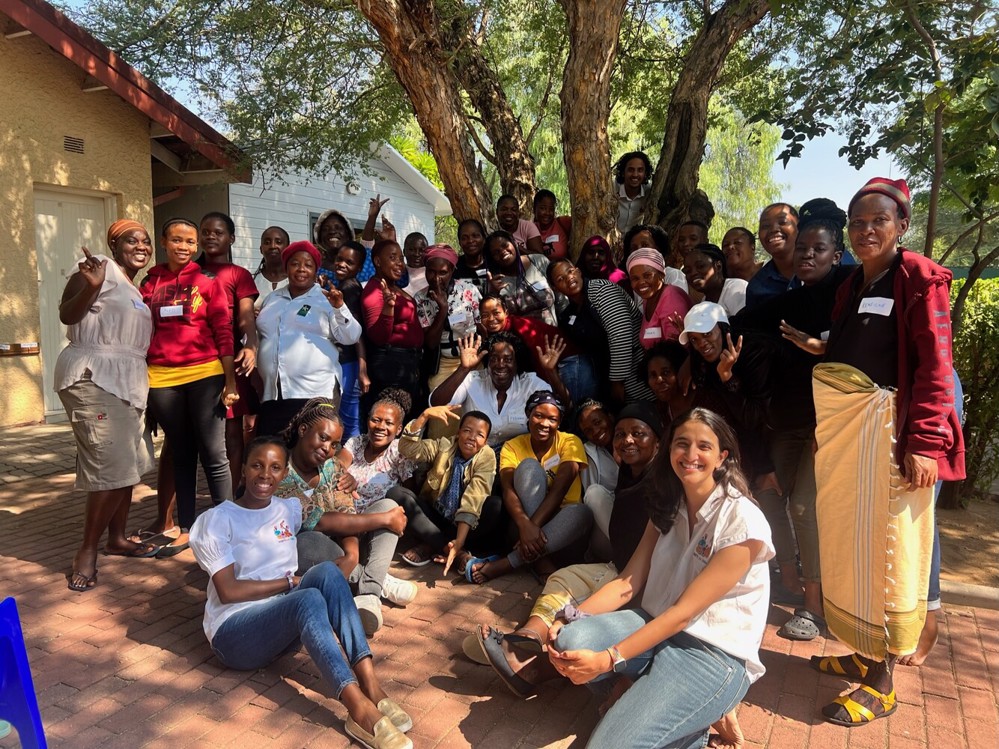
Community trust is a core pillar of how we work, and that trust is built, day by day, relationship by relationship, by our Maatla Mamas. They are the women on the ground, the educators shaping children’s earliest experiences, and the bridge between Learn To Play and the communities we serve.
The Maatla Mama model isn’t incidental to how we deliver early childhood education - it’s foundational to it. Research consistently shows that a warm, nurturing maternal presence provides children with a secure base, supports cognitive development, and promotes long-term mental wellbeing. By placing community mothers at the heart of our playgroups, we create the most conducive environment for children to learn and grow, while simultaneously investing in the women who make it all possible.
And in Botswana, this matters deeply. Nearly 84% of children are born into single-mother-led households. Too often this statistic is framed as a challenge… but in many ways, it also reveals something powerful: women are already the backbone of childcare, community leadership, and family resilience across this country.
But the role of a Maatla Mama extends well beyond the playgroup. Our Mamas are also pioneers for play in their communities. Alongside shaping our future generations every day, they engage with parents, village leadership, and local stakeholders to build understanding and trust in a play-based approach to early learning. Our model challenges conventional ideas about education, and community buy-in doesn’t happen by chance. It happens because our Mamas are trusted, respected, and deeply rooted in the places they serve.
Eight years in, the impact of the Maatla Mama system is clear. Recent community case studies affirmed what we’ve long believed: that our Mamas are an unwavering pillar in the trust communities place in us. In-depth studies across Kavimba, Nata, and Dukwi found that playgroup facilitators have naturally stepped into leadership roles and show exceptional commitment to the children in their care. Over time, the role has become synonymous with dignity and financial opportunity. The most telling measure of community trust is this: Maatla Mamas hold professional social status across every community we work in.
We want our Mamas’ work to uplift not just their communities, but themselves and their families too. Alongside financial stability, many of our Mamas have shared that their role gives them a sense of belonging, purpose, and fulfilment. They’ve taken true ownership of the job, pushing for greater independence in how they implement the curriculum, seeking out further training, and constantly looking for ways to grow.
Last week, while filming interviews with some of our Mamas, one woman said something I don’t think I will ever forget. She said, “Yes, this work helps my own children. But more than anything, I bring light to my community.”
And that stayed with me. Because that is exactly what these women do.
As a mother and a woman myself, I know how powerful it is to find your voice held and supported by other women on the same journey. I started this work because of children. But what keeps me going every single day are the mothers. The Maatla Mamas show me, again and again, what real strength looks like: leadership that is gentle, compassionate, and deeply rooted in “botho” (the Setswana word for shared humanity).
On International Women’s Day, and every day, we celebrate them. Because across Botswana, and across the world, women are doing what they have always done: bringing light to their families, their communities, and the generations that follow.
Their power is how we do what we do.
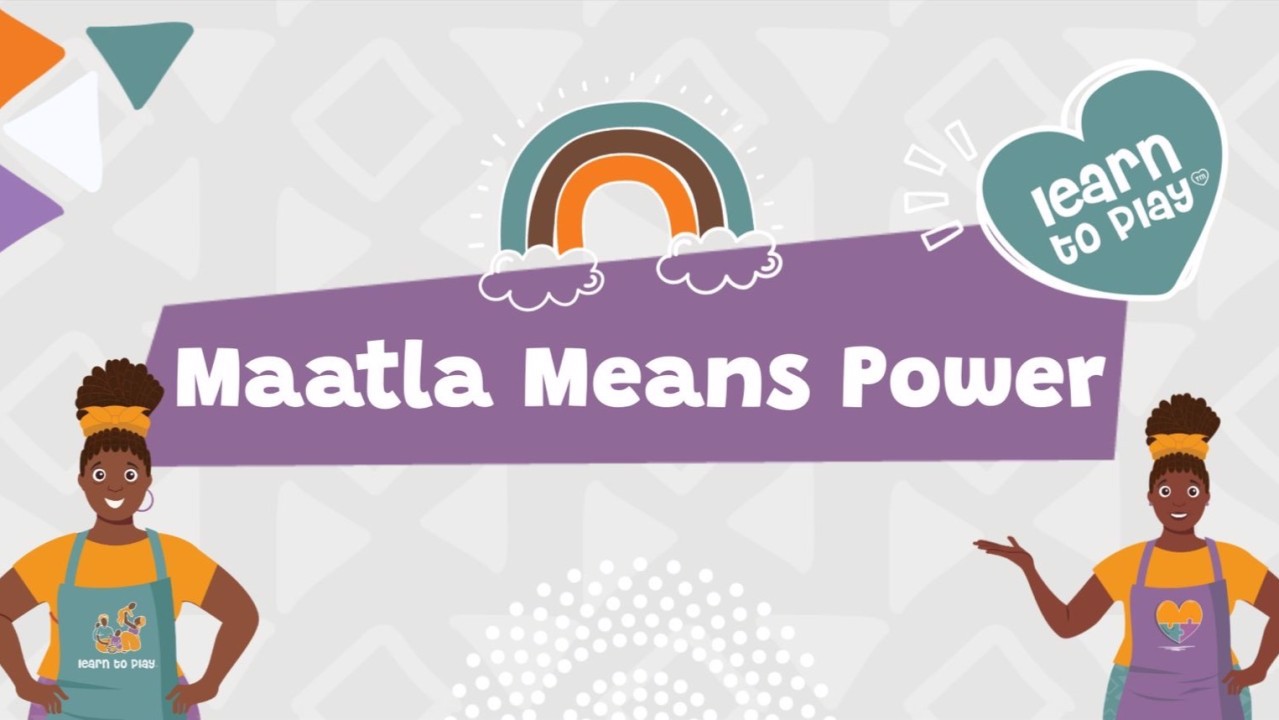
After all, Maatla does mean power.
And they embody it entirely.