July 22nd 2024 was the hottest day recorded in modern history. And in second place? July 21st 2024. For some of us, that means making the aircon work a little harder. But that is not the truth for everyone. 3.6 billion people globally already live in areas susceptible to the effects of climate change, and for most of them, a cooling system is not an option.
The reality of climate change is deeply unequal. Research consistently shows that marginalised and low-income communities are among the most vulnerable to its effects, yet the largest single source of global carbon dioxide emissions is the burning of fossil fuels for electricity. The communities contributing the least are often the ones bearing the most. And for the families and children in the villages where we work, that is not a distant concern. It is an everyday one.
The village of Kacgae sits in the heart of the Kalahari Desert, a region characterised by harsh aridity and sparse water supply. The water in Botswana has always sat north, stretching to the Makgadikgadi pans occasionally, but never further. In the Chobe district and the Okavango Delta, seasonal flooding is not an anomaly. It is the defining ecological event that shapes the entire landscape every year.
Which made what we heard next all the more striking.
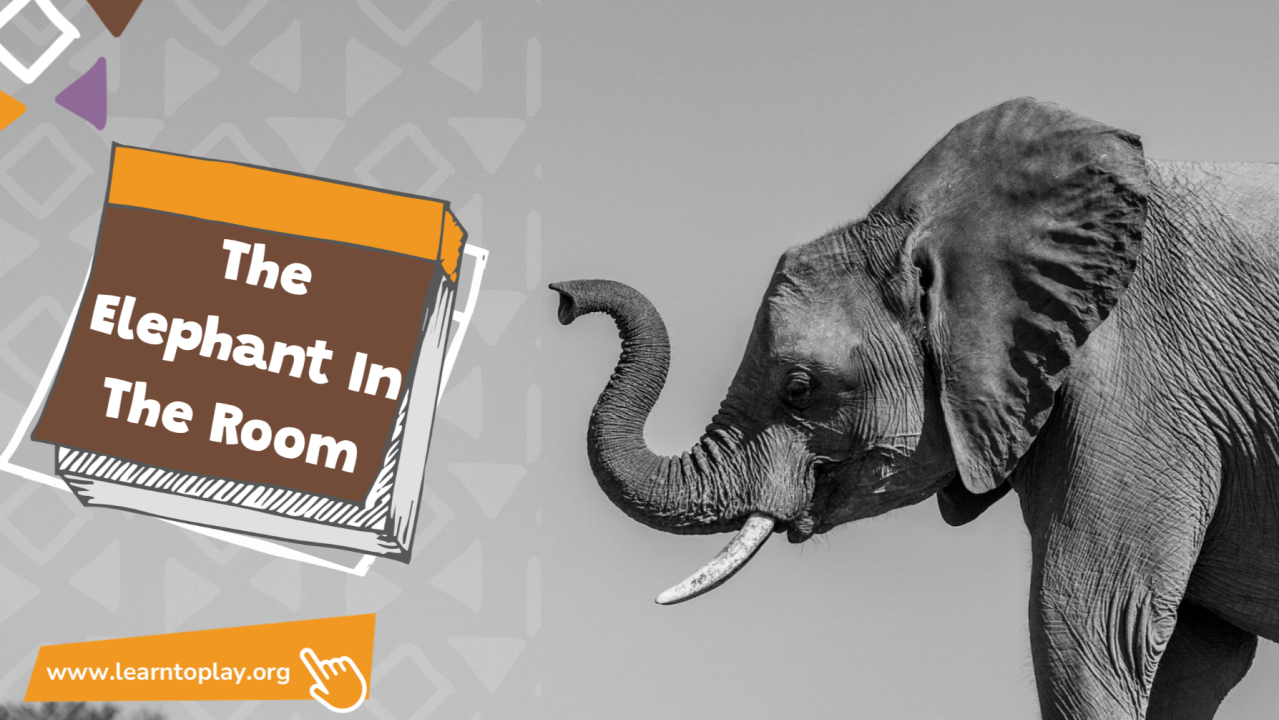
When a Maatla Mama recounted the moment she first saw an elephant walk through Kacgae, we too shared her disbelief. An elephant. In the middle of the Kalahari. As the largest land mammals on earth, elephants have a profound affinity for water not only for survival, but for the social play that is central to their lives. For elephants to travel this far south, something had to have gone very wrong.
And wrong it was. Extreme drought and dry spells across Botswana between 2016 and 2024, driven by the effects of global warming, saw water levels in the north drop drastically, forcing large elephant populations south in a state of widespread panic. Where, unknown to them, even less water awaited.
In response to the unprecedented visitors, the community of Kacgae lit wildfires to drive them away. This is the lived reality of climate change for remote communities like Kacgae. And while the adults navigate that reality in real time, the children are absorbing it through what they see, what they hear, and what they sense in the people around them, long before they have any framework to make sense of it.
Children are not passive bystanders to the climate crisis. They are living within it. And they are the ones who will be asked to carry the consequences of decisions made long before they were born. The responsibility to repair what previous generations could not is landing on shoulders that are still very small. This is what the Earth Warriors programme exists to address.
Woven into our weekly curriculum, Earth Warriors brings environmental awareness into play-based learning so that Maatla Mamas who have never encountered formal environmental education can teach it confidently in ways that are local and hands-on. Through simple, culturally resonant activities, children learn about the planet they call home and why it is worth protecting. Whether that is through exploring the habitats in and around their own playgroups to understand how ecosystems work, or following Pula the Raindrop through the water cycle, Earth Warriors strives to build something the world needs more of: children who grow up as genuine champions of nature.
We are at a point where our climate is not just calling for change. It is demanding it. As we inch closer to the 1.5°C threshold, the point of no return, the consequences of inaction grow harder to ignore. By equipping the parents and educators of today, and the leaders and policymakers of tomorrow, with the knowledge and power to make a change, we are answering that call in the best way we know how.
Climate change is the elephant in the room. And unlike the community of Kacgae, we cannot light a fire and hope it walks away.